


Understanding the psychological effects of gambling A deep dive into risk and reward
The Allure of Gambling
Gambling captivates millions worldwide, drawing people in with the promise of instant wealth and excitement. The thrill of risk-taking can be incredibly alluring, as individuals weigh the potential rewards against the possibility of loss. This tension between risk and reward activates the brain’s reward centers, leading to feelings of euphoria and excitement, especially when a win occurs. Such experiences can become addictive, prompting individuals to chase the highs of previous wins, just as one might enjoy poker online.
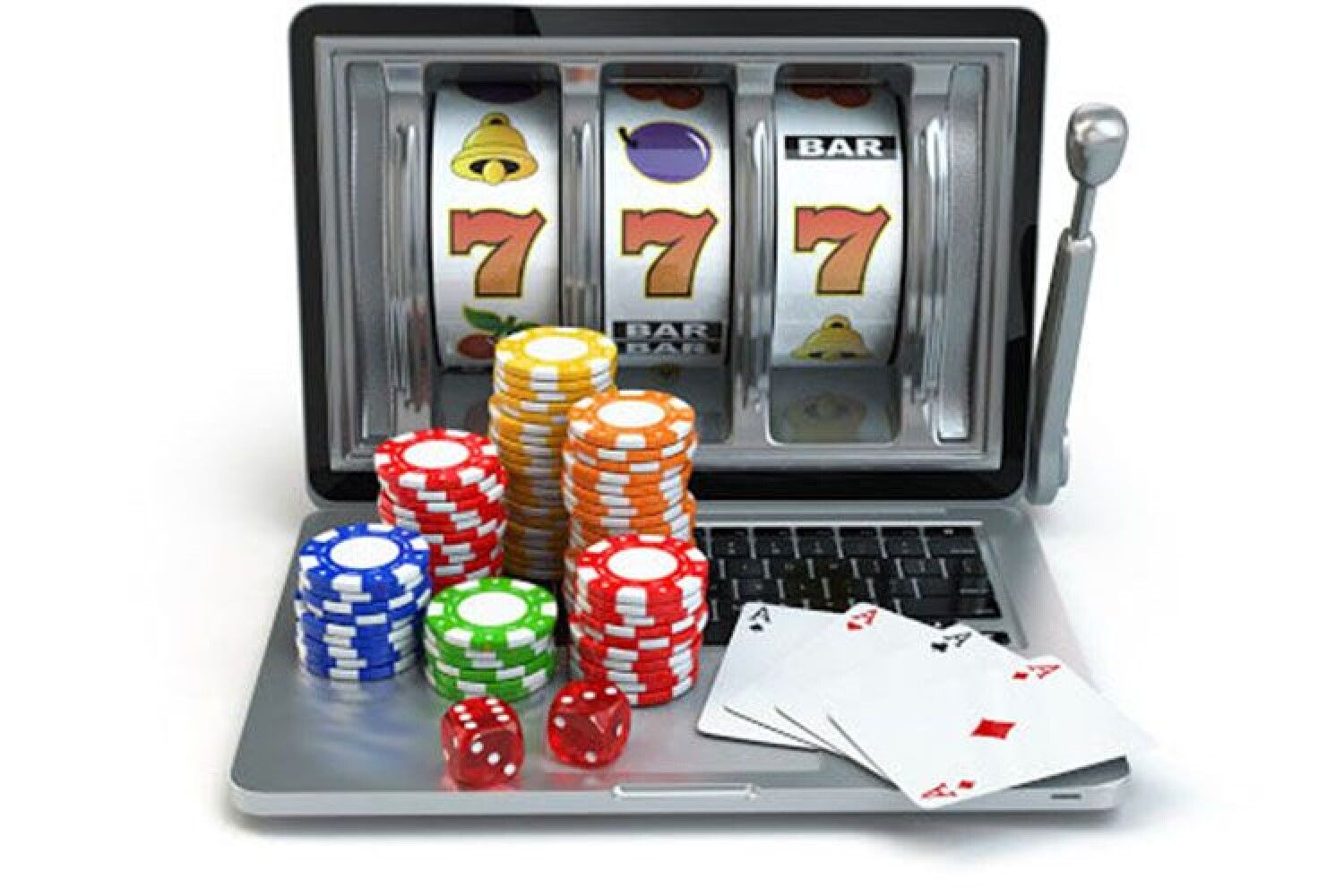
The psychological thrill is further amplified by the unpredictability of outcomes. Gamblers often find themselves in a cycle where the more they play, the more they desire that adrenaline rush. This cycle can lead to significant emotional investment, as individuals often become emotionally attached to the outcomes, further complicating their relationship with gambling.
Understanding cognitive biases is essential when exploring the psychology of gambling. Many gamblers exhibit a phenomenon known as the “gamblers’ fallacy,” where they believe that past outcomes will influence future results. For instance, a player might think that after several losses, a win is more likely. This misjudgment can lead to increased gambling as individuals mistakenly believe they are “due” for a win.
Another critical bias is the illusion of control, where gamblers believe they have some influence over the outcome, especially in games of chance. This can be particularly potent in skill-based games, where players may overestimate their abilities. Such biases can contribute to persistent gambling behavior and can make it difficult for individuals to recognize when to stop.
The emotional toll of gambling can be profound, often leading to feelings of guilt, anxiety, and depression. As individuals chase losses or strive to replicate winning experiences, they may neglect personal relationships and responsibilities. The cycle of chasing losses can create a dangerous environment, where financial ruin becomes a reality for some gamblers.
Financial consequences also extend beyond the individual to families and communities. The stress and strain that result from gambling-related financial issues can lead to broader societal problems, including increased healthcare costs and higher rates of crime. Understanding these emotional and financial impacts is crucial for addressing gambling addiction and offering support to those affected.
Recognizing the psychological effects of gambling is vital for developing effective preventive measures. Education about the risks and cognitive biases associated with gambling can empower individuals to make informed choices. Community programs and resources can provide essential support for those struggling with gambling addiction, helping them understand the nature of their behavior.
Moreover, open discussions about gambling within families and communities can reduce stigma and encourage individuals to seek help. Support systems, including counseling and peer support groups, can play a crucial role in recovery, offering a safe space for individuals to share their experiences and learn coping strategies.

In today’s digital landscape, ensuring online security is paramount for gamblers. With the rise of online gambling platforms, users must be aware of the potential risks associated with unauthorized access and cyber attacks. By utilizing robust security measures, individuals can protect their personal information and financial data, fostering a safer gambling environment.
Websites that prioritize security, such as those supported by advanced technologies, ensure that users can focus on their gaming experience without the worry of external threats. As gambling continues to evolve, the importance of combining psychological understanding with secure practices becomes increasingly critical for safeguarding both emotional well-being and financial stability.
“`